How to Qualify Remodeling Leads Without Scaring Off Good Homeowners
By Ian Cantle · November 11, 2026 · 5 min read

Qualify remodeling leads early by asking four short questions: project type, budget range, timeline and location. Use the answers to route each inquiry: book a consultation for strong fits, review possible fits personally, and point poor fits elsewhere politely. Respond quickly and follow up consistently so good homeowners don't slip away.
Every unqualified site visit costs your team hours: the drive, the walkthrough, the estimate, the follow-up. Multiply that by a few poor-fit inquiries a week, and your best people are spending a large share of their time on projects that were never going to sign.
The fix isn't to make it harder to contact you. It's to qualify early, respond quickly and follow up consistently. Here's a simple system.
Why do remodelers need to qualify leads early?
Because sales time is your scarcest resource. Without qualification, every inquiry gets the same treatment, and a small repair takes the same effort as a $250K addition. Early qualification lets you spend that time where it counts, and respond faster to the homeowners you most want to work with.
What four questions qualify a remodeling lead?
Most of what you need comes from four short questions on your inquiry form:
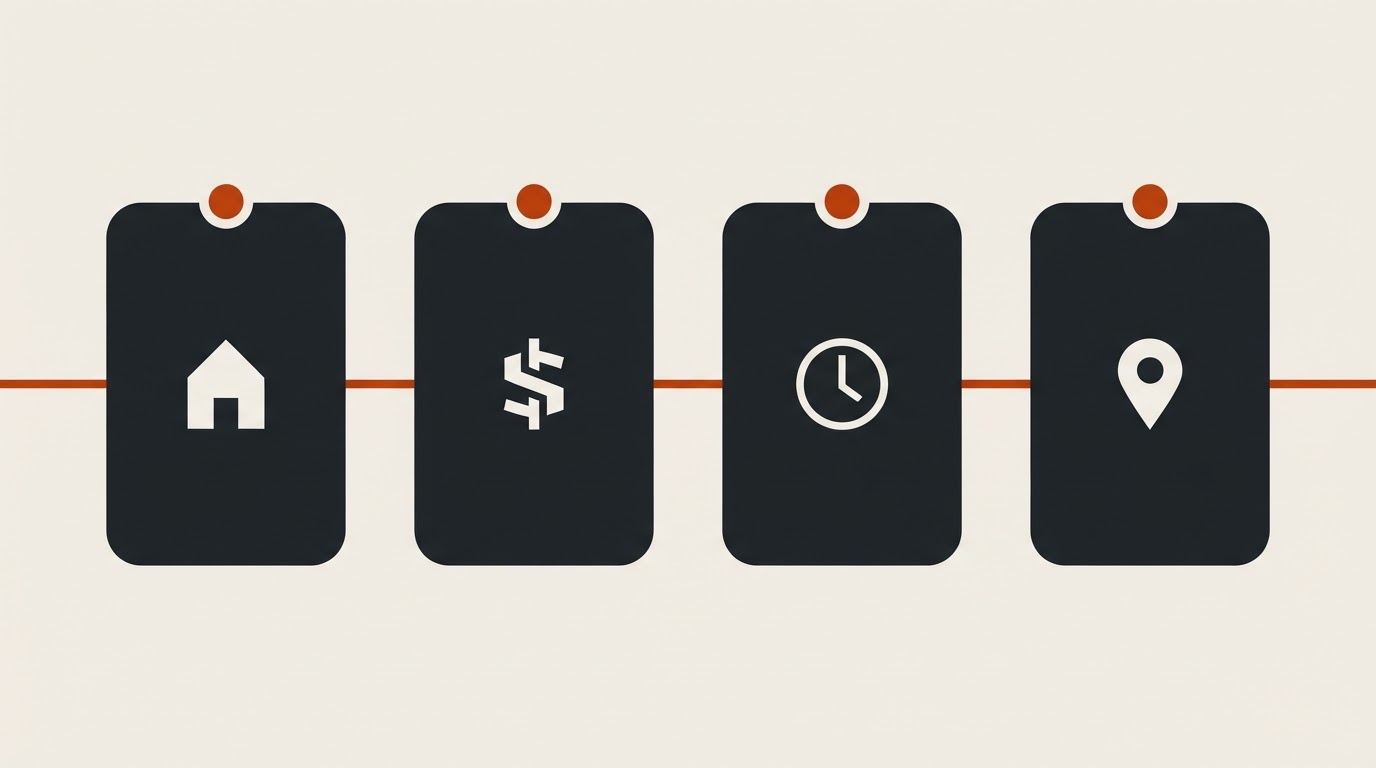
- Project type. Kitchen, bathroom, addition, whole-home renovation, basement and so on.
- Budget range. Offer ranges instead of asking for a number.
- Timeline. When they'd like to start.
- Location. So you know whether it's inside your service area.
A short multi-step form that asks one or two questions per step feels lighter than a long single page, and tends to be easier for homeowners to complete.
Won't asking about budget scare homeowners away?
Not if you ask well. Serious homeowners planning a major project expect to talk about budget, and ranges make it easy. A short line such as "This helps us prepare a more useful first conversation" goes a long way.
You can also set expectations before the form. Sharing typical investment ranges or project minimums on your website helps homeowners self-qualify, which means fewer awkward conversations later.
How should you route each inquiry?
Use the answers to decide what happens next:
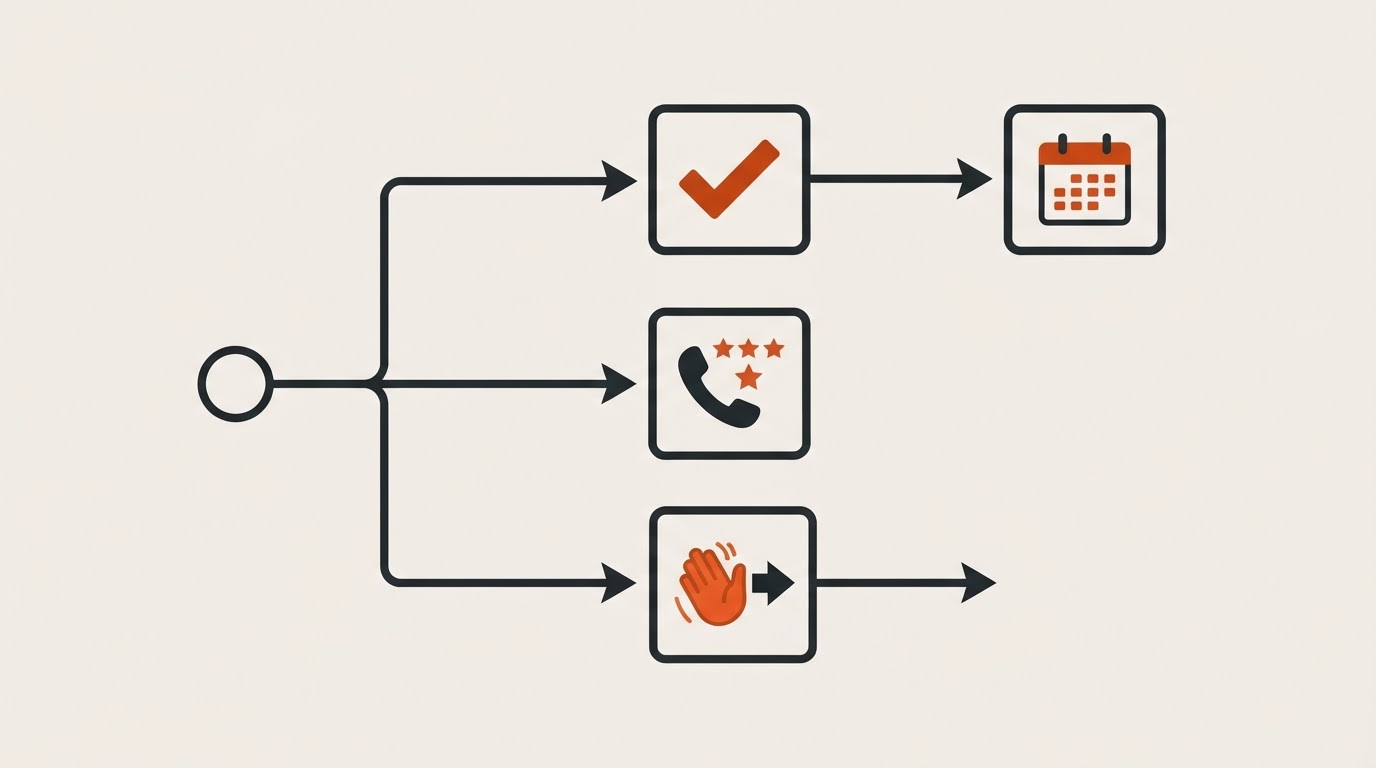
- Strong fit: invite them to book a consultation right away, ideally with an online calendar.
- Possible fit: a quick personal review and a short call. Don't let a rigid rule turn away a good project.
- Not a fit: a polite, helpful reply, and a referral to a better option where you can.
Every inquiry gets a response. Only the right ones get a site visit.
How fast should you follow up?
Fast. Homeowners often contact more than one firm, and the one that responds quickly and professionally usually gets the conversation. A simple rhythm works well:

- Within minutes: an automatic confirmation that thanks them and explains what happens next.
- Same business day: a personal call or message from your team, with their project details in hand.
- Over the next week: two or three helpful follow-ups if you haven't connected.
- Not ready yet: occasional, genuinely useful check-ins until they are.
What should your inquiry form look like?
Keep it short, friendly and mobile-first. A good remodeling inquiry form:
- Asks for contact details last, after the homeowner has described the project.
- Uses buttons and ranges instead of open text boxes wherever possible.
- Includes one optional free-text field for anything they want to share.
- Explains what happens next, so homeowners know when to expect a response.
- Works just as well on a phone as on a desktop.
How should your team handle the first call?
The first conversation is still part of qualification, and it's also the homeowner's first experience of your firm. A simple structure helps:
- Confirm the basics from the form so the homeowner doesn't repeat themselves.
- Ask about goals, not just the scope: what isn't working in the home today, and what would make the project a success.
- Talk honestly about investment and timing, using ranges and examples from similar projects.
- Explain your process and what the consultation includes.
- Agree on a clear next step before ending the call.
What turns good homeowners away?
- Long forms that ask for everything up front.
- Slow responses, especially for inquiries that arrive in the evening or on a weekend.
- Pushing for a budget number before explaining why you ask.
- Generic follow-up that ignores what the homeowner already shared.
- No reply at all to poor-fit inquiries, which can cost referrals later.
What tools make this easier?
A CRM with clear pipeline stages, automatic confirmations, instant alerts to the right person and online booking does most of the heavy lifting. It also records where each lead came from, so you can measure cost per signed project by channel.
That's what our lead conversion and CRM service sets up for premium remodelers, along with websites built around a qualifying inquiry flow.
The bottom line
Qualify with four short questions, route by fit, respond in minutes and follow up consistently. Your team spends its time on projects worth winning, and good homeowners never feel turned away.
For how qualification fits into the bigger picture, read our guide to marketing for remodelers, or book a Profit Pipeline Review and we'll look at where good inquiries are slipping through today.
Related insights
Frequently asked questions
What questions should I ask to qualify a remodeling lead?
Four short ones cover most of it: what type of project, the approximate budget range, when they'd like to start, and where the project is. Keep them friendly and use ranges for budget.
Will asking about budget scare off good homeowners?
Rarely, if you ask well. Serious homeowners expect it. Offer ranges instead of asking for an exact number, and explain that it helps you give them a more useful first conversation.
How fast should a remodeler respond to a new lead?
As fast as you reasonably can: minutes, not days. An automatic confirmation followed by a same-day personal response keeps your firm in the conversation.
What should I do with leads that aren’t a fit?
Reply politely and, where you can, point them to a better option. It protects your reputation and often leads to referrals later.
Should I charge for consultations to filter leads?
Some design-build firms do, especially for design work. It can be effective once your marketing already attracts the right homeowners, but it works best paired with clear communication about what the consultation includes.
Is your marketing bringing in the projects you actually want?
Start with a practical review of your visibility, lead quality, follow-up and pipeline.
25 minutes. No obligation. We only use your details to follow up about your review.