Cost per Signed Project: The Remodeling Marketing Metric That Matters More Than Cost per Lead
By Ian Cantle · November 11, 2026 · 5 min read

Cost per signed project is a channel's marketing spend divided by the number of signed projects it produced. It matters more than cost per lead because a channel with cheap leads can still be your most expensive way to win work if those leads rarely sign. Tracking it requires recording each lead's source through to the signed contract.
Ask most marketing agencies how a campaign is doing and you'll hear about clicks, impressions and cost per lead. Those numbers are easy to measure. They're also the wrong ones to run a remodeling business on.
The number that tells you whether marketing is working is cost per signed project. Here's how to calculate it, why it matters and how to start tracking it.
What is cost per signed project?
Cost per signed project is your marketing spend for a channel divided by the number of signed projects that channel produced over the same period.

Cost per lead tells you what it costs to get a homeowner to raise their hand. Cost per qualified consultation tells you what it costs to get a good-fit homeowner in front of your team. Cost per signed project tells you what it actually costs to win work.
Why does cost per lead mislead remodelers?
Because leads aren't equal. One channel might send many inquiries from homeowners with small budgets or the wrong project type. Another might send fewer inquiries from homeowners planning exactly the work you want.
Here's a simple hypothetical example:
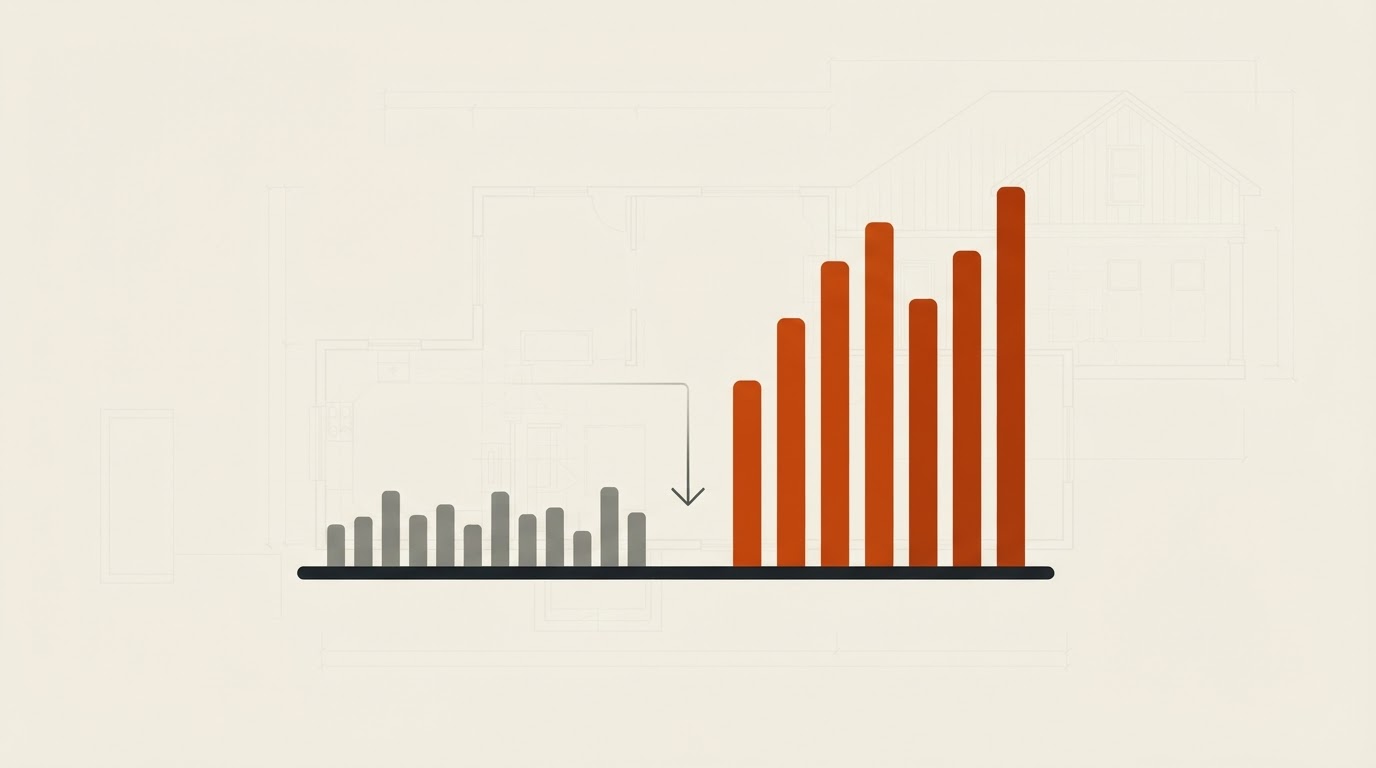
Both channels cost $3,000 a month. Channel A produces 60 leads at $50 each and looks like the winner. But only one of those leads signs, so each signed project costs $3,000. Channel B produces 15 leads at $200 each, three of which sign, so each signed project costs $1,000.
Judged on cost per lead, you'd cut the better channel. That's how remodelers end up with busy estimators and thin results.
How do you calculate cost per signed project?
You need four things for each channel over the same period:
- Spend: ad spend plus any channel-specific costs.
- Leads: every inquiry, including phone calls.
- Signed projects: contracts that came from those leads.
- The source of each lead, saved when the lead first arrives.
Divide spend by signed projects. Then, if you have reliable job costing, go one step further and compare it with the gross profit on those projects. A channel that wins larger, more profitable projects can justify a higher cost per signed project.
How do you track a lead from source to signed contract?
The hard part isn't the math; it's the data. Most remodelers lose track of a lead's source long before the project signs.
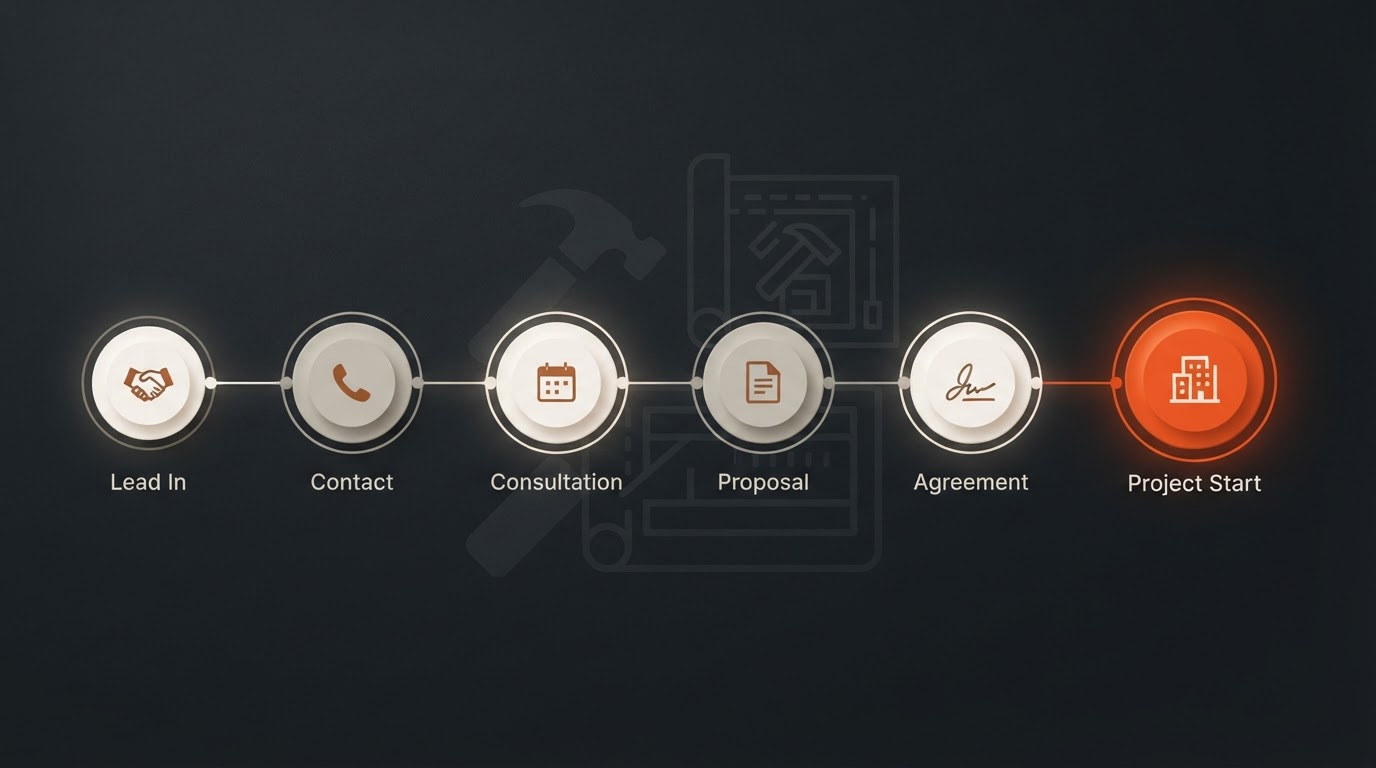
To fix that:
- Save the original source with every lead in your CRM, using UTM tags for online campaigns.
- Track phone calls with call tracking numbers assigned by source, because many of your best inquiries call rather than fill out a form.
- Update the lead's stage as it moves through qualification, consultation, proposal and signed contract.
- Review monthly and quarterly, remembering that remodeling sales cycles are long.
This is exactly what our marketing attribution and reporting service sets up, alongside CRM follow-up that keeps lead stages up to date.
What counts as marketing spend?
Be consistent about what you include, or the comparison between channels won't be fair. For each channel, count:
- Media spend: what you paid Google, Meta or a lead service.
- Management fees for that channel, kept as a separate line.
- Channel-specific tools, such as call tracking for that campaign.
Shared costs like your website or CRM can be tracked as overhead rather than spread across channels, as long as you treat every channel the same way.
What if projects take months to sign?
Remodeling sales cycles are long. A lead from March may not sign until summer, so dividing March's spend by March's signed projects will mislead you.
A better approach is to group leads by the month they arrived and follow each group forward. Spend from March is compared with the projects that March's leads eventually sign. It takes patience, but it's the only way to see which channels truly pay off. Until you have enough history, track cost per qualified consultation as an early signal.
What mistakes make the number unreliable?
- Losing the source when a lead is re-entered by hand or moves to a different system.
- Ignoring phone calls, which often come from your best channels.
- Counting referrals as "direct" when a homeowner first found you through search or an ad.
- Changing what counts as spend from one month to the next.
- Judging a channel too soon, before its leads have had time to sign.
What should you do with the numbers?
Once you know cost per signed project by channel, decisions get simpler:
- Shift budget toward channels that win the right work, even if their leads look expensive.
- Fix or cut channels that produce volume but rarely sign.
- Find leaks in the middle: if a channel produces good consultations that don't sign, the issue may be follow-up or proposals, not marketing.
For example, many remodelers discover that Google Ads set up for project quality and solid SEO outperform shared lead services once they measure signed projects. Read more in shared leads vs. leads you own.
The bottom line
Cheap leads that never sign are the most expensive leads you can buy. Measure cost per signed project, and you'll know exactly where to put your next marketing dollar.
For the full system behind this, read our guide to marketing for remodelers, or book a Profit Pipeline Review to see what your current data can tell you.
Related insights
Frequently asked questions
What is cost per signed project?
It's the marketing spend for a channel divided by the number of signed projects that channel produced in the same period. It shows what it actually costs to win work from each source.
Why is cost per lead misleading for remodelers?
Because leads vary enormously in quality. A channel can produce cheap leads that rarely sign, making it more expensive per signed project than a channel with fewer, costlier but better-fit leads.
What is a good cost per signed project for a remodeler?
It depends on your average project value, margins and market. Compare it with the gross profit of a typical signed project: the lower the share of that profit marketing consumes, the healthier the channel.
How do you track signed projects back to marketing?
Save each lead's original source in your CRM, use call tracking for phone inquiries, and update the lead's stage through consultation, proposal and signed contract.
How long before cost per signed project is reliable?
Remodeling sales cycles are long, so you usually need at least one full sales cycle of data, and more for low-volume, high-value projects.
Is your marketing bringing in the projects you actually want?
Start with a practical review of your visibility, lead quality, follow-up and pipeline.
25 minutes. No obligation. We only use your details to follow up about your review.